Some restaurants have a great view. Others have great food. Élephante Santa Monica does something more difficult: it creates a complete experience that feels relaxed, glamorous, and unmistakably coastal. As a luxury interior designer and hospitality design expert witness, I cannot help looking beyond the pretty picture. I notice the decisions that help a busy restaurant perform beautifully—and the choices that can keep an ambitious project from becoming an expensive dispute.
1. The Flooring Understands the Assignment
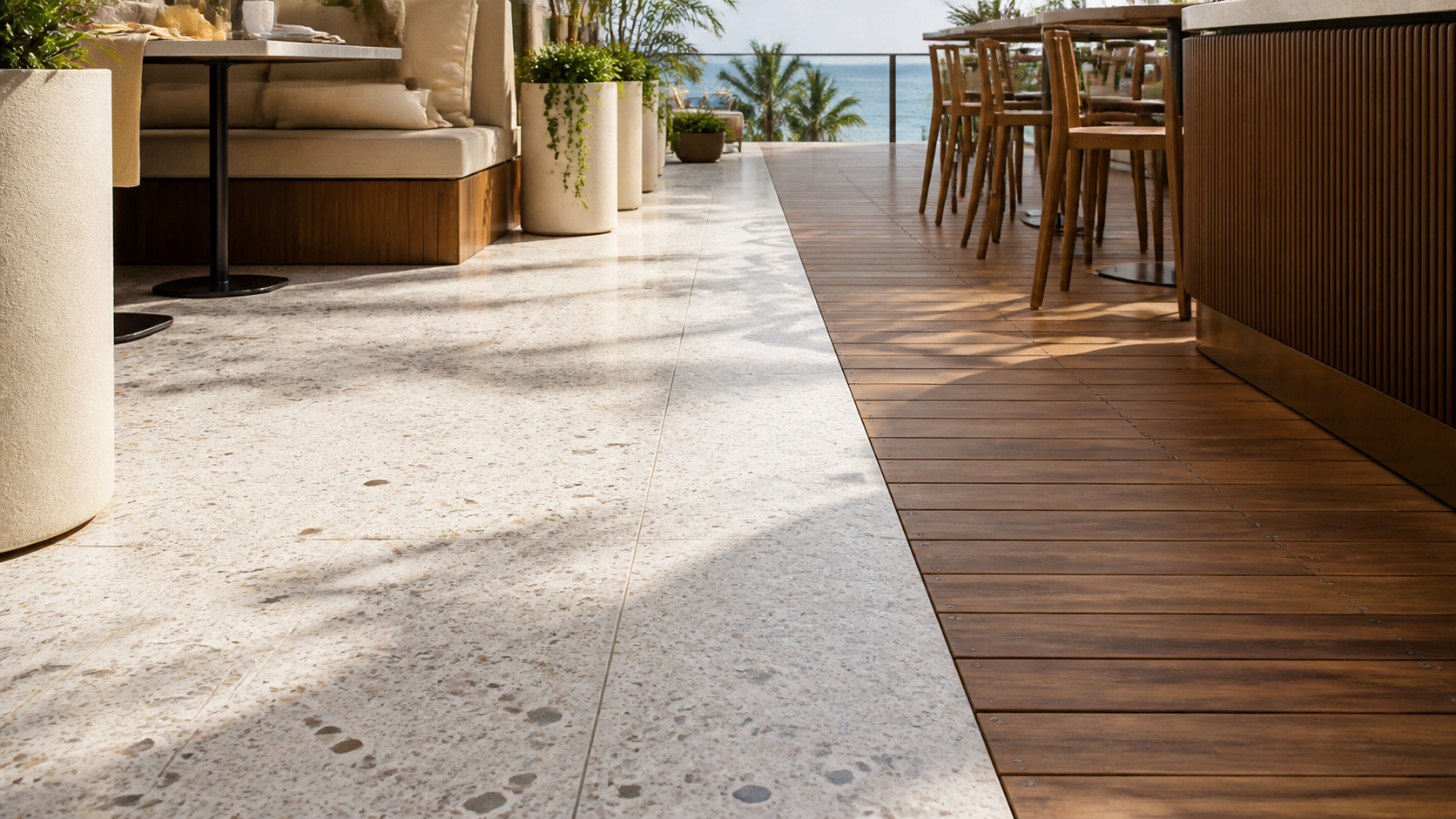
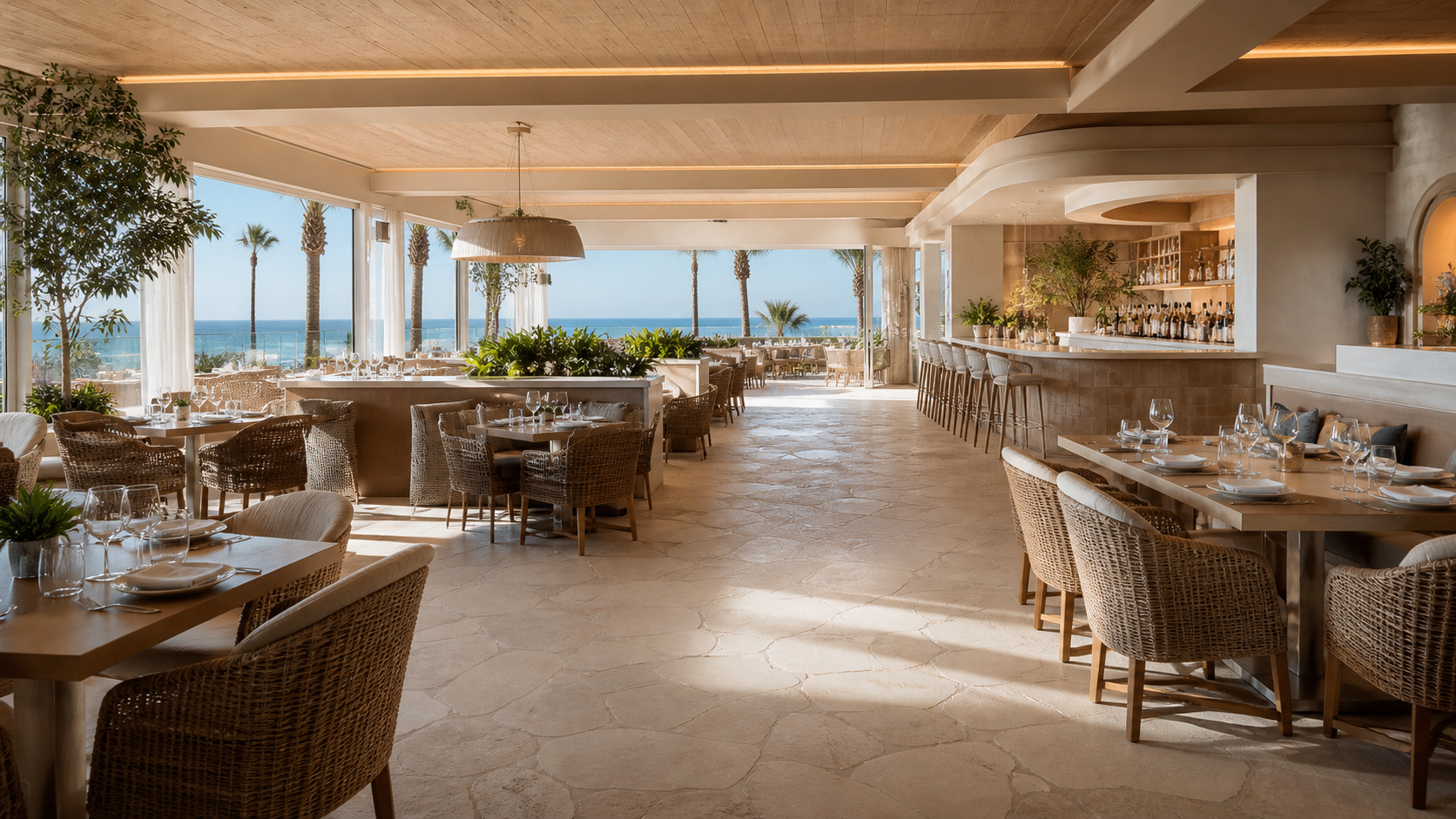
Élephante is a rooftop restaurant near the ocean, so the floor has a serious job. Published descriptions of the design identify terrazzo stone flooring and a covered tigerwood deck. That combination gives the restaurant texture and warmth while visually guiding guests through indoor and outdoor areas.
This is the kind of choice I love because it appears to consider more than appearance. In hospitality design, flooring must handle constant foot traffic, food and drink spills, cleaning, coastal air, and changes in weather. The material, finish, transition details, installation method, and maintenance plan all matter. When those points are specified and approved in writing, everyone knows what performance to expect. That clarity can prevent later arguments about premature wear, slipping, staining, or who selected the product.
2. The Furniture Looks Ready for Real Life
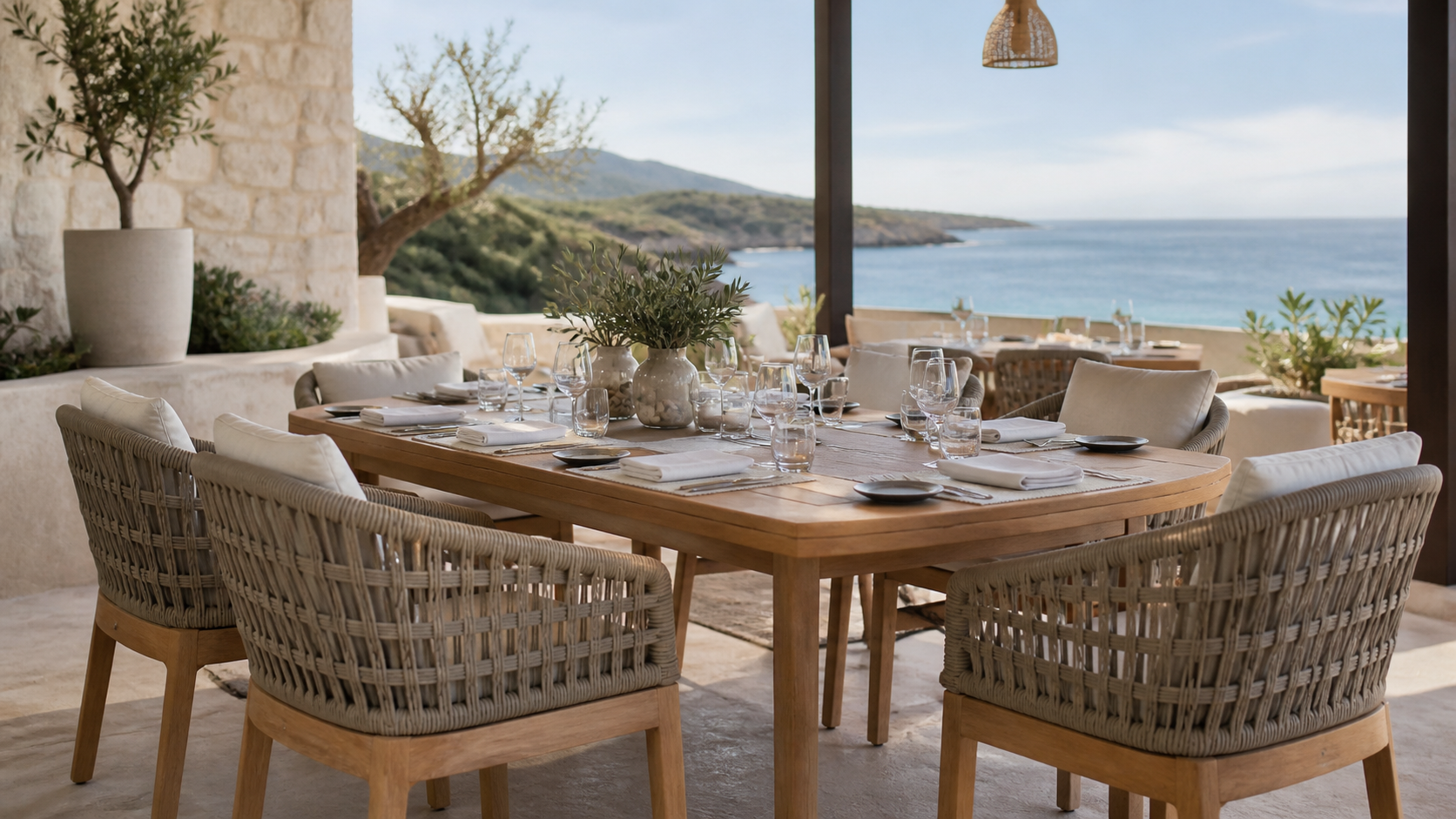
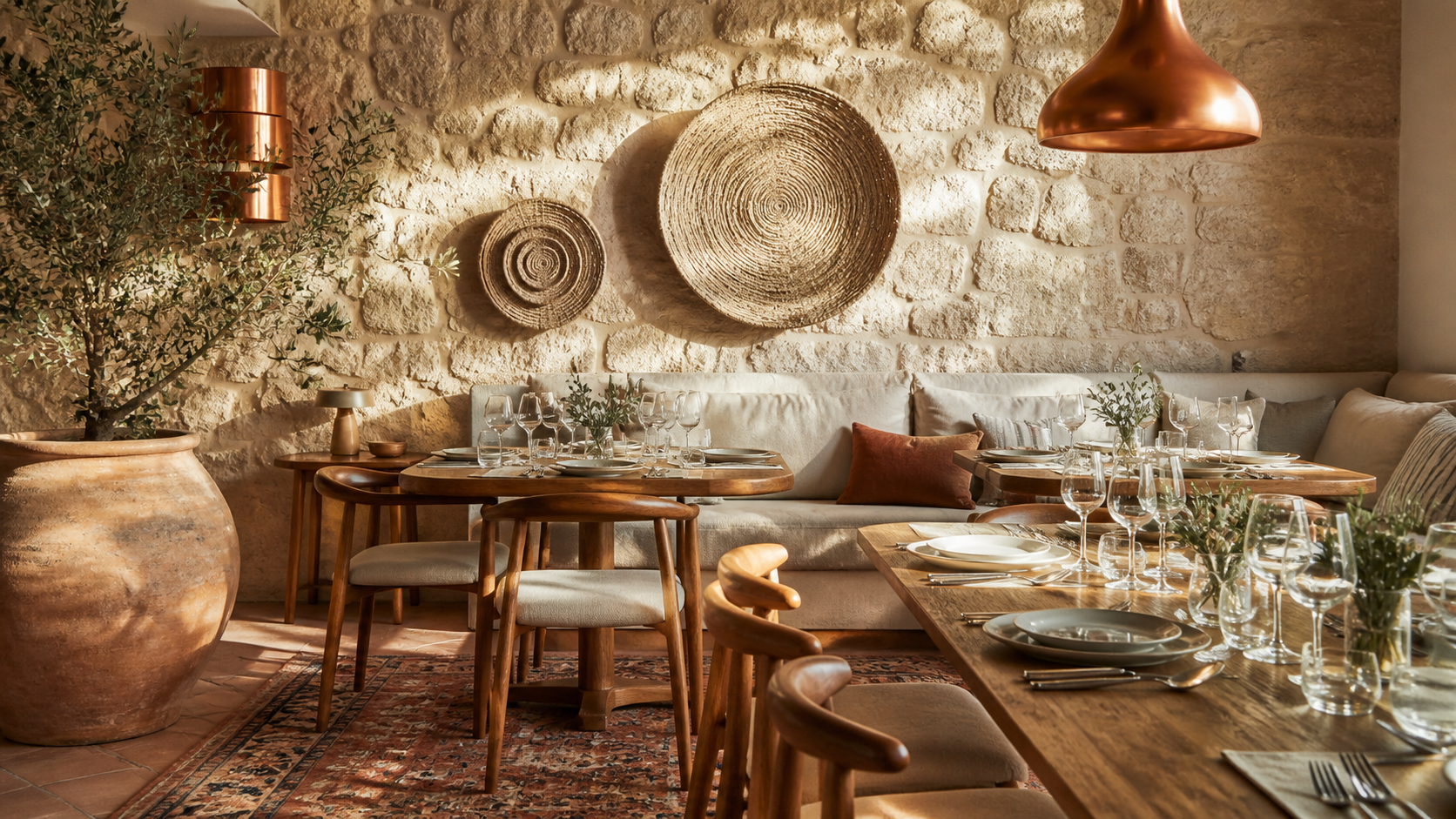
The custom furniture, woven pieces, natural wood, and lounge seating give Élephante its vacation mood. Yet the space does not feel like a fragile showroom. The selections look appropriate for a restaurant that shifts from sunny lunches to cocktails, dinner, and a lively late-night crowd.
That is smart luxury hospitality design. A beautiful chair is not successful if it fades, loosens, stains, traps moisture, or becomes uncomfortable after a season of commercial use. Designers should document where each item will live, how it will be used, what finish or fabric was approved, and what care it requires. If a substitute is proposed, it deserves a new written approval. Good records protect the designer, contractor, owner, and purchasing team when questions arise.
3. Indoor and Outdoor Feel Like One Story
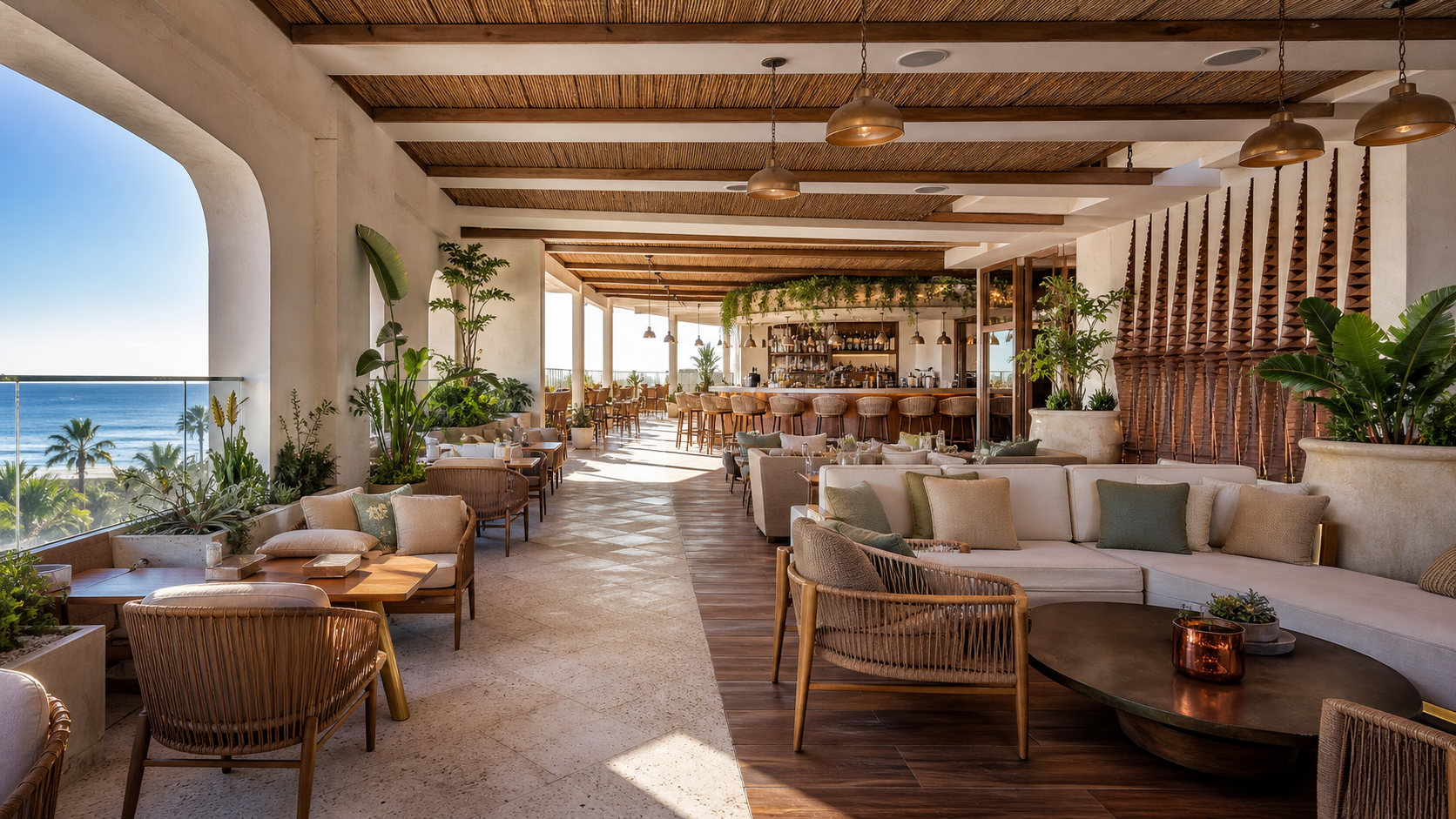
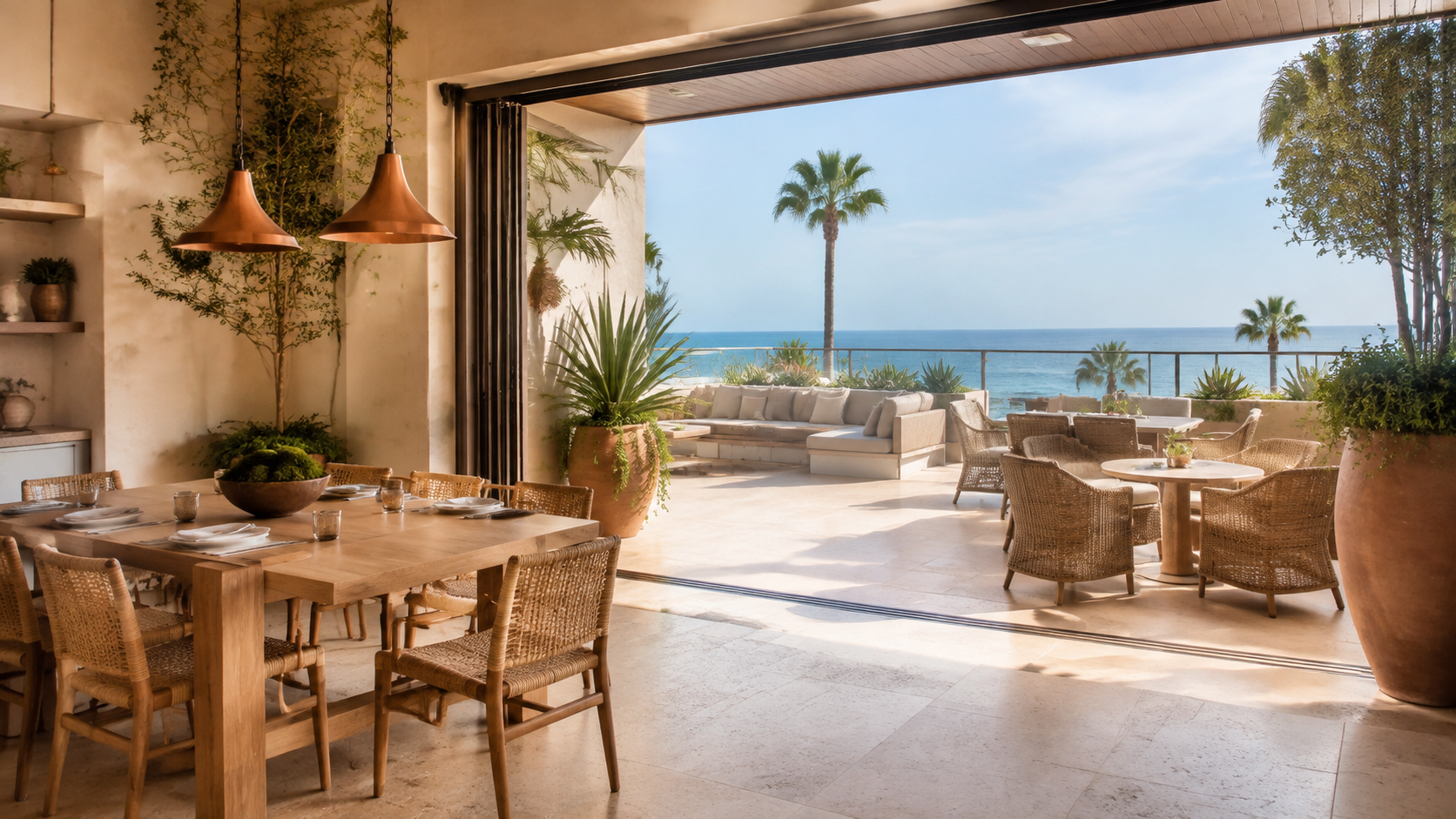
The best part of Élephante is that the ocean, rooftop, bars, dining areas, and lounges feel connected. The natural wood and stone, copper accents, soft upholstery, and Southern Mediterranean references create a consistent point of view. You move through different zones without feeling as if you have entered a different restaurant.
Seamless-looking design requires very unseamless planning. Indoor and outdoor materials may need different specifications. Door thresholds, drainage, shade, lighting, furniture clearances, and weather exposure require coordination between the architect, interior designer, contractor, consultants, vendors, and owner. Luxury commercial construction disputes often begin in the gaps between those roles. Clear drawings, scopes, submittals, and sign-offs close those gaps before they become claims.
4. The Layout Makes Loitering Feel Luxurious
Élephante gives guests choices: sit at a bar, settle into a sofa, gather around a dining table, or face the ocean. That variety is fun, but it also supports how the restaurant operates throughout the day. A long lunch can become sunset drinks without the space losing its energy.
A successful plan balances atmosphere with circulation. Guests need intuitive paths, servers need efficient routes, and furniture must not create pinch points or surprise obstacles. Designers also need to coordinate accessibility and life-safety requirements with the licensed professionals responsible for them. When the design intent and operational requirements are discussed early and documented clearly, owners are far less likely to discover after opening that a gorgeous room does not function as promised.
5. The Concept Is Memorable Without Trying Too Hard
Élephante feels transported, not themed. Its inspiration comes through in limestone, handmade-looking tile, natural materials, copper details, woven objects, and relaxed furniture. The result is photogenic, but more importantly, it has an identity. You remember how the restaurant made you feel.
That cohesion is also a practical safeguard. A clear concept gives the project team a standard for evaluating samples, substitutions, value engineering, and final installation. Does the proposed item support the approved design, or does it dilute it? The more specific the answer is in presentations, specifications, purchase orders, and meeting notes, the easier it becomes to protect the client’s investment—and the designer’s work.
What Élephante Teaches Us About Avoiding Design Disputes
Élephante is a fun design review because the restaurant shows how beauty and practicality can live together. Durable materials, appropriate furnishings, coordinated indoor-outdoor spaces, thoughtful circulation, and a well-defined concept are not merely aesthetic decisions. They are risk-management decisions.
In my work involving luxury restaurant, hotel, commercial, and residential disputes, the same questions appear repeatedly: Was the material suitable for its intended use? Was the selection properly documented? Did the installation follow the drawings and manufacturer requirements? Were substitutions approved? Were the designer’s, architect’s, contractor’s, vendor’s, and owner’s responsibilities clearly defined?
When a large hospitality project goes wrong, a qualified luxury interior design expert witness can evaluate design intent, standard of care, material performance, procurement records, construction defects, damages, and the division of responsibility. The best projects, however, answer those questions before opening night. That is the real luxury: a space that looks effortless because the team did the hard work behind the scenes.
The Food and Service Make It a Home Run
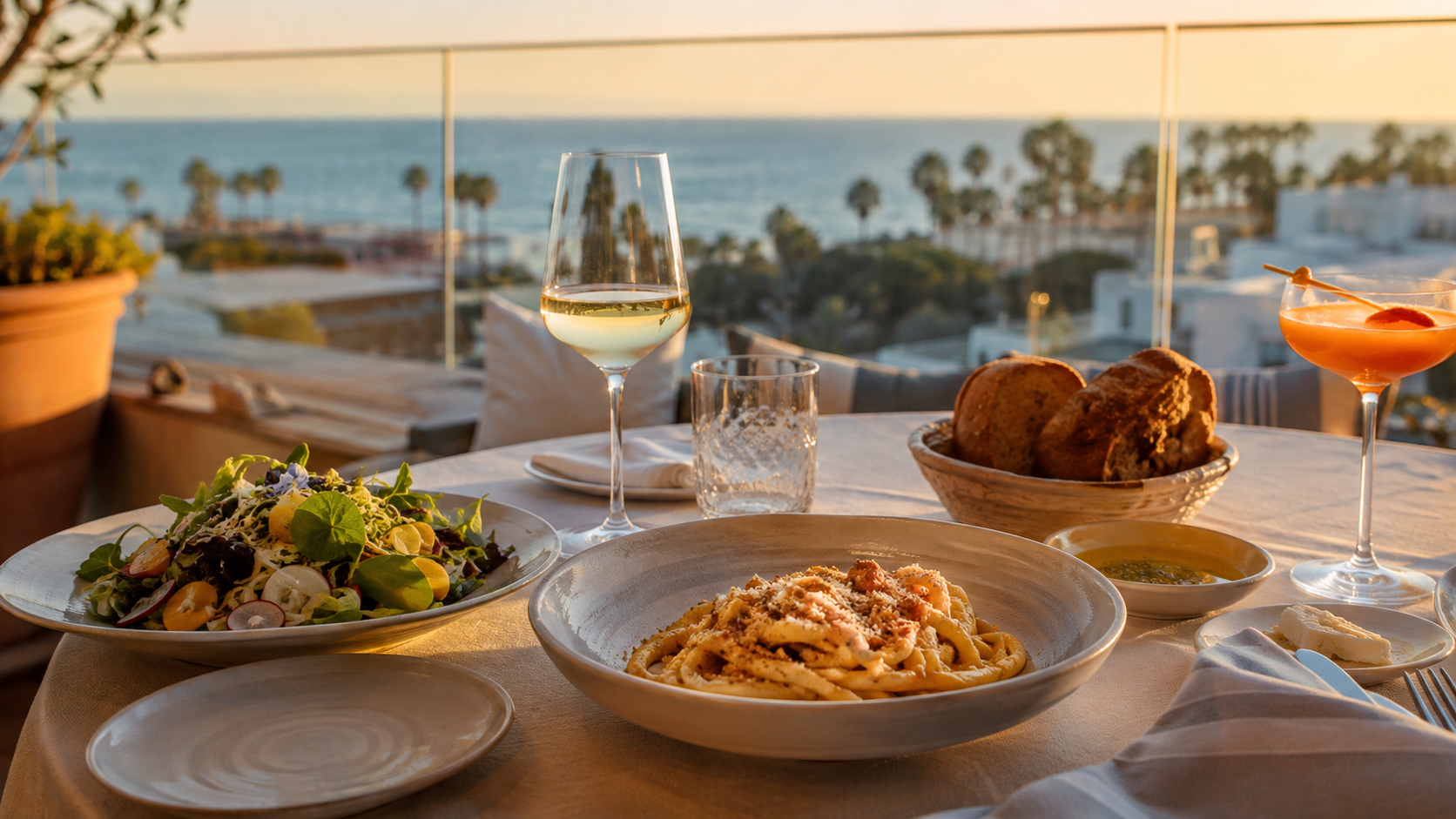
Of course, even the most beautiful restaurant has to deliver once you sit down. Élephante does. The coastal cuisine feels fresh and celebratory, the cocktails suit the sunny rooftop mood, and the service keeps the experience moving without making it feel rushed. The design draws you in; the food and service give you a reason to make another reservation.
That is what great hospitality is supposed to do. Every part supports the next—the view, the atmosphere, the comfort, the circulation, the food, and the people taking care of you. Élephante is not simply a pretty restaurant. It is a complete experience, and that makes it a home run in my book.
About Lori Dennis
Lori Dennis is one of California’s most accomplished luxury interior designers, with a rare multidisciplinary career spanning interior architecture, construction, media, publishing, education, product development, and expert witness testimony. Few design professionals combine this breadth of experience with a trusted role in complex construction and design litigation. Her unique background provides an uncommon level of technical expertise, industry insight, and real-world perspective.
This design commentary is based on public-facing observations and published descriptions of the restaurant. It is not a site inspection or legal opinion.
Celebrity interior designer and expert witness Lori Dennis, ASID, LEED AP, NCIDQ leads one of the top award-winning interior design firms in Los Angeles. A sought-after speaker, brand ambassador, and trusted authority in luxury design, Lori brings decades of expertise to high-profile projects, industry partnerships, and legal consulting nationwide.