Luxury remodels are exciting, transformative, and — let’s be real — incredibly complex. Between custom finishes, multiple trades, and high expectations, even the best-planned projects can run into issues. For attorneys handling breach of contract cases in luxury interior design, understanding the nuances of design contracts, industry standards, and professional obligations is critical.
As an interior designer and expert witness in high-value interior design disputes, I help attorneys navigate these challenges, clarify responsibility, and provide courtroom-ready analysis.
This guide explores breach of contract in luxury remodels from a designer’s perspective, highlights common pitfalls, and explains how expert analysis can strengthen your case.
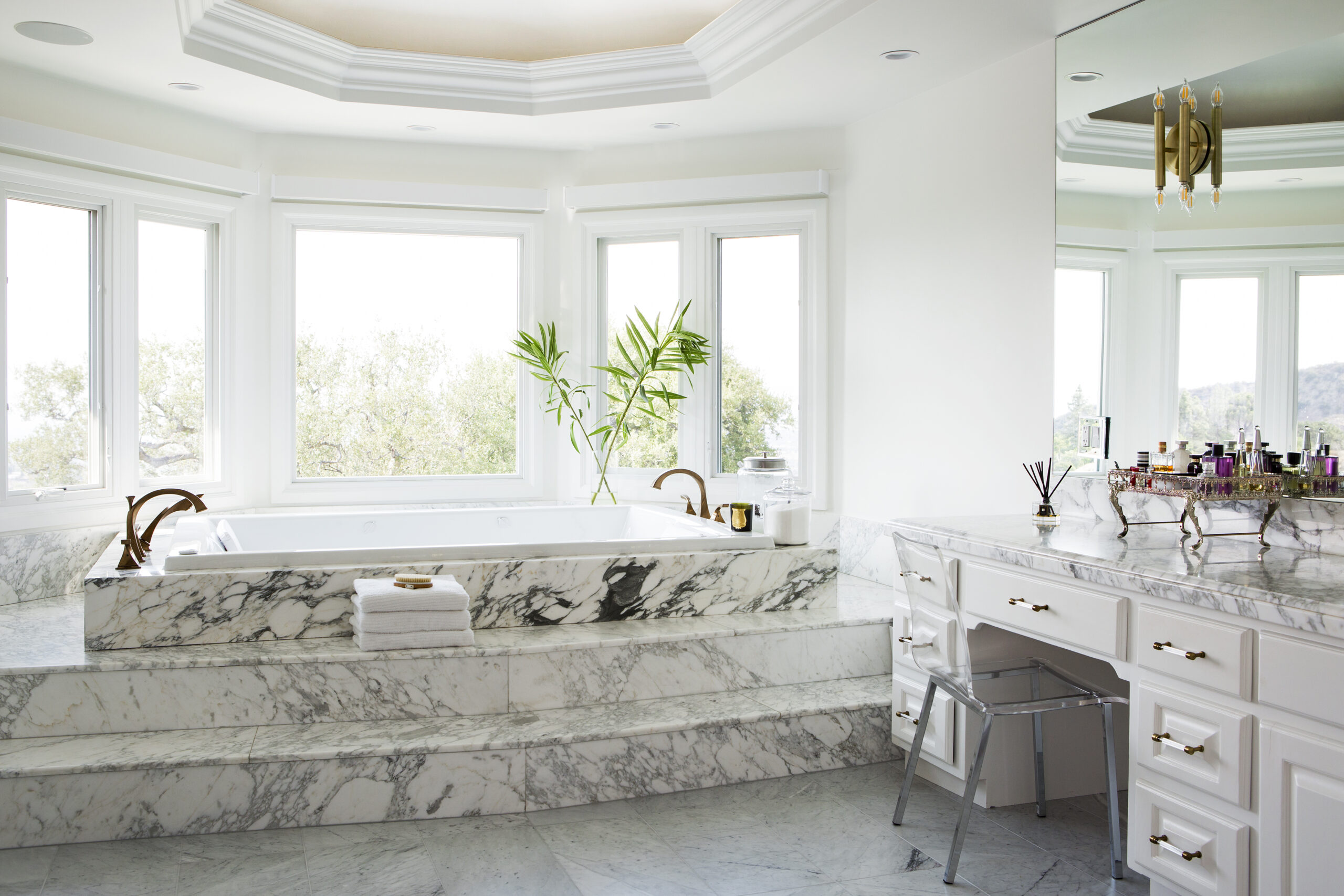
A serene, spa-like retreat featuring white marble, warm gold accents, and expansive windows by Lion Windows and Doors. Design by Lori Dennis Interior Design.
Why Breach of Contract Claims Are Common in Luxury Interior Design
Luxury remodels are a different ballgame from standard renovations. High budgets, custom materials, and complex project management create fertile ground for disputes. Some common contributing factors include:
Custom work and long lead times – delays can trigger contractual conflicts.
Multi-party coordination – designers, architects, contractors, and fabricators all have overlapping responsibilities.
Scope changes and informal approvals – verbal or email requests can blur contractual obligations.
Ambiguous contract language – unclear roles or deliverables increase litigation risk.
When disputes arise, attorneys must untangle what was promised, what was delivered, and whether deviations constitute a breach. This is where a luxury interior design expert witness can make a significant difference.
Understanding Breach of Contract in Luxury Interior Design
In interior design litigation, breaches usually fall into four categories:
1. Scope of Work Disputes
Disagreements over services included in the design agreement are common. Examples include:
Construction administration assumed but not contracted
Procurement responsibilities misunderstood
Site visits expected but not formally outlined
Expert takeaway: Attorneys often need clarification on what was reasonable within the original scope.
2. Design Intent vs. Final Outcome
Clients sometimes claim the finished space doesn’t match approved drawings, specifications, or the designer’s intent.
Key questions to consider:
Were substitutions authorized?
Were deviations documented and approved?
Did cost-saving measures materially alter the design?
3. Failure to Meet Industry Standards
Luxury interior designers are held to a professional standard of care. Alleged failures might involve:
Poor documentation
Inadequate coordination with trades
Non-compliance with building codes or material standards
A credible expert witness interior designer can analyze whether professional standards were met.
4. Budget and Cost Control Issues
Cost overruns are a frequent source of disputes. Attorneys need clarity on:
Estimates versus guarantees
Designer versus contractor responsibilities
Allowances versus final selections
Why Interior Design Disputes Are Not Just Aesthetic
Many assume interior design breaches are subjective. In reality, luxury remodel disputes involve technical, contractual, and professional issues. Designers make decisions impacting:
Life safety and code compliance
Accessibility and functional clearances
Material performance and long-term durability
Coordination with architecture, MEP, and construction teams
When attorneys understand this, expert testimony becomes a powerful tool in clarifying liability.
The Role of an Expert Witness in Interior Design Litigation
An interior design expert witness provides neutral, professional analysis for attorneys. Key responsibilities include:
Reviewing design contracts, amendments, and exhibits
Analyzing drawings, specifications, and finish schedules
Evaluating approvals, RFIs, and correspondence
Assessing compliance with industry standards
Explaining complex design processes in plain, courtroom-ready language
Common Contractual Pitfalls in Luxury Remodels
Attorneys often encounter recurring issues that can escalate into breach of contract claims:
Vague or Overloaded Contracts
Unclear language around roles, responsibilities, or deliverables creates legal exposure.
Scope Creep
Luxury clients frequently request changes mid-project. Without formal documentation, disputes arise over responsibility and cost.
Incomplete Documentation
Poor or missing specifications, drawings, or approvals can lead to misinterpretation, fabrication errors, and installation failures.
Unrealistic Expectations
High-net-worth clients may have ambitious expectations that conflict with budget, timeline, or constructability realities.
How Attorneys Use Expert Analysis
Attorneys leverage expert analysis to:
Establish the standard of care in luxury interior design
Clarify responsibility between designer, architect, and contractor
Explain deviations from contract obligations
Determine whether alleged failures constitute professional negligence or breach
Translate technical design issues into simple, understandable testimony
Luxury remodel disputes often involve multi-million-dollar projects, custom furnishings, international sourcing, and complex fabrication processes — all requiring a highly qualified expert witness.
Preventing Breach of Contract Issues: Lessons for Designers and Clients
While expert analysis is typically retrospective, these insights help prevent disputes:
Clear contracts with detailed scope and responsibilities
Documented approvals for all changes and substitutions
Consistent communication with clients and trades
Professional scope adherence or formal amendments
Early client education on realistic expectations
These practices reduce litigation risk and maintain client trust.
Why Attorneys Choose an Expert Witness Interior Designer
Attorneys handling high-value interior design disputes need an expert who can:
Speak both legal and design languages
Remain neutral and credible under cross-examination
Explain technical design decisions clearly
Understand luxury-level expectations and professional norms