
A Design Expert Witness Perspective
In interior design, inspiration is part of the craft. Theft is not.

Open-plan dining room with sculptural lighting and fireplace designed by Lori Dennis Interior Design.
Yet one of the most common—and most misunderstood—issues I see as an expert witness is the misappropriation of intellectual property by former employees or contractors who confuse “I worked there” with “I own this.”
They do not.
Let’s talk about what actual IP theft looks like in the design world, because it’s rarely subtle—and it’s never accidental.
Red Flag #1: Marketing a Business on Someone Else’s Projects

Modern Beverly Hills residence showcasing architectural symmetry and curated exterior lighting by Lori Dennis Interior Design.
A designer leaves a firm and launches a new website filled with projects they did not design. Not “worked on,” not “assisted with,” but projects where another designer was the designer of record, contracted by the client, and contractually retained ownership of the designs, drawings, and photographs.
When those projects appear across:
A personal website
…and are presented as the new firm’s own work, that’s not inspiration. That’s false designation of origin.
Red Flag #2: Claiming Authorship of Content Created Before You Arrived
Another common tactic: claiming credit for blog content, press, or thought leadership that predates the individual’s employment.
If the blog existed before you worked at the firm—and especially if it was authored, edited, and published under the principal’s name—rewriting history on LinkedIn or a website is not branding. It’s misrepresentation.
Courts don’t care how confident it sounds. Dates don’t lie.
Red Flag #3: Using MLS or “Public” Photos as a Cover
A favorite myth:
“The photos were from the MLS, so they’re fair game.”
They’re not.
MLS access does not grant the right to:
Claim authorship of the design
Use images for commercial self-promotion
Represent the work as your own
The source of the image does not override who owns the underlying design and authorship rights.
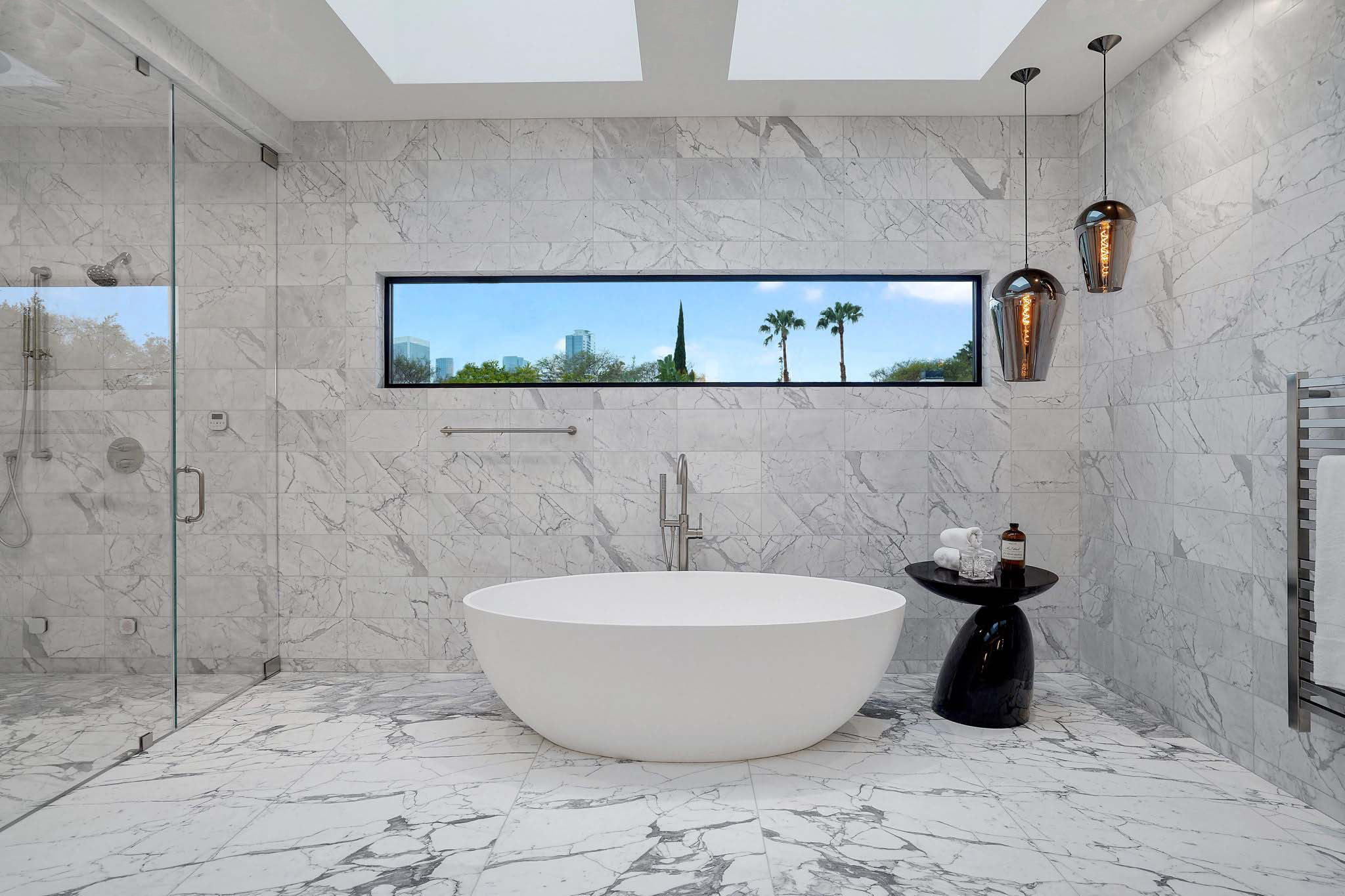
Primary bathroom featuring a freestanding tub and marble finishes by Lori Dennis Interior Design.
Red Flag #4: Altering Construction Drawings and Logos
This one moves from bad judgment into serious legal exposure.
When a former contractor:
Takes construction drawings created for a firm
Removes the firm’s logo
Replaces it with their own
Publishes those drawings as portfolio examples
That’s no longer “portfolio sharing.” That’s affirmative falsification of authorship.
In legal terms, this may trigger not only copyright infringement, but also violations related to removal or alteration of copyright management information—a big problem in federal court.