Most people assume luxury homes are built better. In litigation, that’s often not the case.
Over the past several years, I’ve been retained as an interior design expert witness and construction defect expert witness on cases involving oversized pivot doors that failed prematurely, exploding glass tables, luxury window and door defects, slip-and-fall incidents tied to lighting and flooring conditions, and high-end hospitality projects suffering major durability and maintenance failures shortly after installation.
The common denominator? Expensive projects do not automatically equal well-executed projects.
In fact, luxury residential and hospitality construction often introduces a completely different level of complexity — custom fabrication, oversized materials, imported finishes, unconventional detailing, and aesthetic decisions that can unintentionally create safety, performance, or maintenance problems.
Not Every Defect Is Obvious
One of the biggest misconceptions in construction defect litigation is the idea that defects are always easy to spot. Many are hidden behind beautiful finishes, dramatic lighting, expensive materials, or highly customized design elements.
A polished concrete floor may photograph beautifully while also creating visual perception issues that contribute to slip hazards under certain lighting conditions. An oversized pivot door may look architecturally stunning while placing unusual stress on hardware, seals, or structural components. A luxury glazing system may appear flawless while concealing weatherproofing or installation deficiencies that later lead to water intrusion or operational failures.
In many cases, high-end finishes can actually mask underlying installation defects until the product begins to fail.
As a premises liability expert and product defect expert witness, part of my role is evaluating how design intent, construction execution, material selection, maintenance expectations, and real-world use conditions intersect. Sometimes the issue is a manufacturing defect. Sometimes it is improper installation. Sometimes it is a specification problem. And sometimes the problem is that aesthetic decisions took priority over long-term durability or safety.
Recent Types of Cases We’re Seeing
Luxury construction litigation continues to evolve, particularly as projects become larger, more customized, and increasingly dependent on specialty products and trades.
Some recent categories of cases include:
Slip-and-Fall Claims in High-End Commercial and Residential Spaces
Several recent matters have involved slip-and-fall incidents where environmental conditions played a significant role. These cases often involve polished flooring surfaces, abrupt lighting transitions, poor visual contrast, surface contaminants, or flooring materials that may not perform safely under foreseeable conditions.
In one type of scenario, lighting levels at the rear of a retail environment were dramatically lower than brighter, skylit areas at the front of the store, reducing hazard detectability near the incident area. These cases often involve analysis of lighting conditions, floor surfaces, human factors, and premises liability considerations.
Exploding Glass and Product Failure Cases
Tempered glass failures and “exploding” furniture products have become an increasingly common source of litigation. These cases may involve glass tables, glazing systems, shower enclosures, or other architectural glass products.
Potential contributing factors can include manufacturing defects such as nickel sulfide inclusions, thermal stress, improper support conditions, excessive loading, twisting or racking, or foreseeable environmental conditions that place unusual stress on the glass assembly.
In luxury environments, these products are often oversized, exposed to direct sunlight, or integrated into custom furniture or architectural applications that create additional performance considerations.
Window and Door Defect Claims
Luxury window and door systems are another rapidly growing area of litigation. Oversized sliders, pivot doors, multi-panel systems, and custom glazing assemblies often require extremely precise coordination between manufacturers, installers, waterproofing systems, and finish trades.
Common issues include:
glazing defects
weatherstripping failures
finish and paint deficiencies
water intrusion
operational problems
air infiltration
premature material deterioration
improper installation sequencing
Because these systems are frequently custom fabricated and highly engineered, even relatively minor installation deviations can create major long-term performance issues.
Hospitality FF&E and Durability Failures
Hospitality projects often prioritize aesthetics, uniqueness, and visual impact. Unfortunately, those goals do not always align with long-term commercial durability.
operational inefficiencies caused by design decisions
In high-traffic environments, products and finishes must perform under real-world use conditions — not simply photograph well during project completion.
Luxury construction projects frequently involve an unusually complex combination of trades, consultants, imported products, custom fabrication, and nonstandard installation conditions.
That complexity can create confusion regarding responsibility when something goes wrong.
Unlike more standardized construction, luxury projects often involve:
custom-built components
one-off detailing
imported materials
oversized glazing systems
highly customized lighting
specialty coatings and finishes
mixed manufacturer systems
evolving field conditions
incomplete coordination between trades
Many of these projects also prioritize aesthetics over maintainability. Materials that perform well in a showroom or staged photoshoot may not hold up under actual residential or hospitality use.
Another common issue is unrealistic maintenance expectations. Some materials require extensive ongoing care that owners, operators, or hospitality staff may never have been informed about during specification or installation.
These cases are rarely as simple as “bad product” versus “bad installation.” More often, they involve overlapping issues between design intent, foreseeable use, code requirements, installation practices, product limitations, maintenance expectations, and construction coordination.
What Attorneys Need From an Expert Witness
In construction defect litigation and premises liability matters, attorneys need more than opinions. They need clear communication, organized analysis, credible methodology, and an expert who can explain highly technical conditions in a way that judges and juries understand.
That process often includes:
site inspections
visual documentation
standards and code review
product and specification analysis
lighting and environmental evaluation
construction sequencing review
deposition testimony
trial testimony
As an NCIDQ-certified interior designer, LEED AP, contractor collaborator, and expert witness with decades of experience in luxury residential, hospitality, and commercial design, I’ve worked across both the design and construction sides of the industry. My background also includes media work through HGTV and national speaking engagements, which helps when communicating complex technical concepts clearly and effectively during testimony.
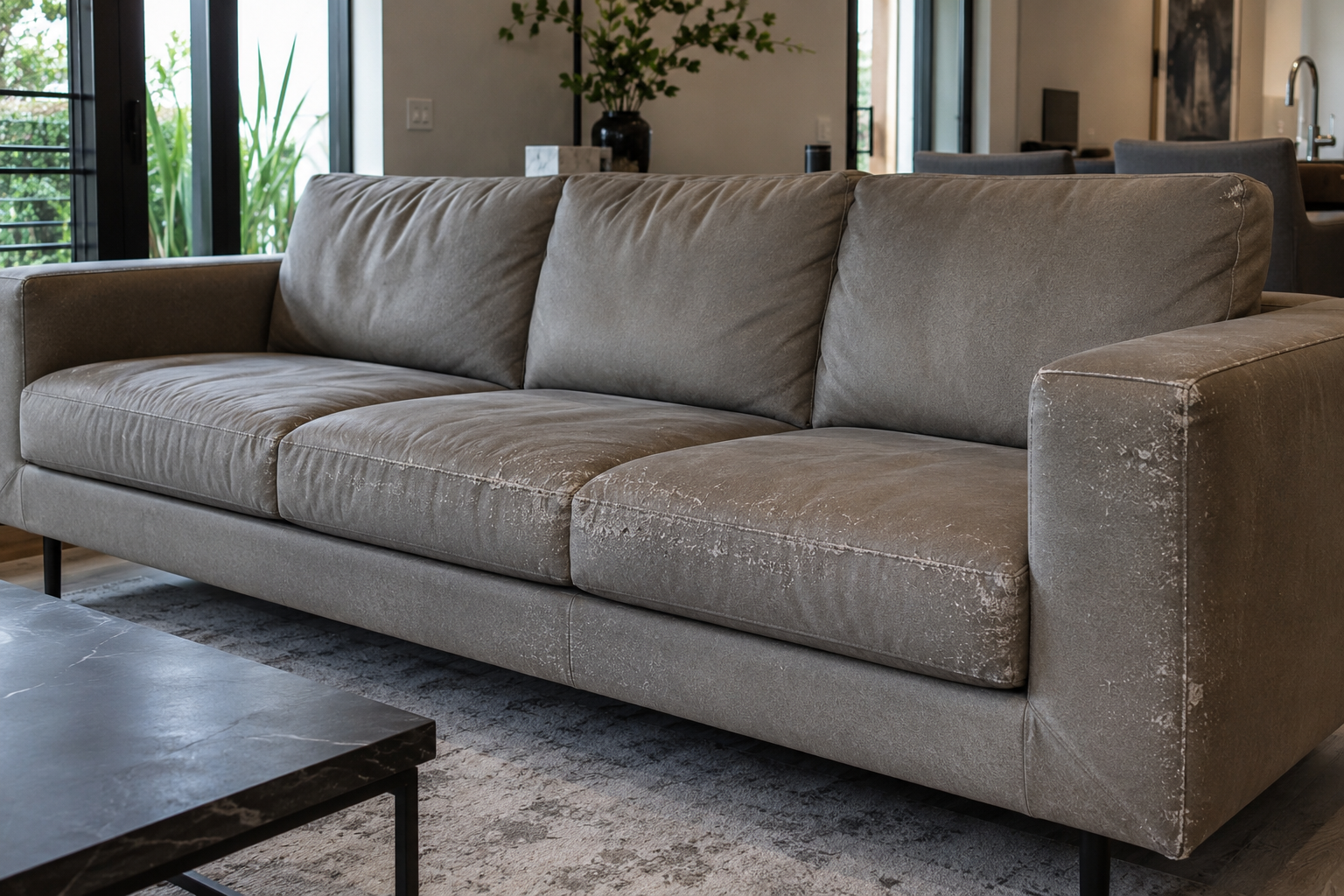
The Difference Between Wear-and-Tear and an Actual Defect
One of the most important distinctions in construction defect and product liability cases is determining whether a condition reflects normal aging, foreseeable wear, improper maintenance, installation error, specification failure, or an actual defect.
Not every failed finish is defective. Not every deteriorated product was improperly installed. And not every accident automatically indicates negligence.
The analysis often comes down to questions like:
Was the material appropriate for the intended use?
Were foreseeable environmental conditions considered?
Was the product installed according to manufacturer requirements?
Did the system perform as reasonably expected?
Were maintenance requirements realistic and disclosed?
Did lighting, visibility, or human factors contribute to the condition?
Did multiple trades contribute to the failure?
Those distinctions matter significantly in litigation.
Final Thoughts
Construction and design disputes often involve overlapping issues between aesthetics, safety, performance, durability, and code compliance. An experienced expert witness can help clarify where those lines actually are.
I provide expert witness services for plaintiff and defense matters involving luxury residential construction defects, hospitality design defects, product failures, premises liability claims, glazing and window system issues, slip-and-fall litigation, and high-end design disputes nationwide.
Available for plaintiff and defense matters nationwide.
Celebrity interior designer and expert witness Lori Dennis, ASID, LEED AP, NCIDQ leads one of the top award-winning interior design firms in Los Angeles. A sought-after speaker, brand ambassador, and trusted authority in luxury design, Lori brings decades of expertise to high-profile projects, industry partnerships, and legal consulting nationwide.